Restaurants and hospitality
Restaurant website that fills your tables
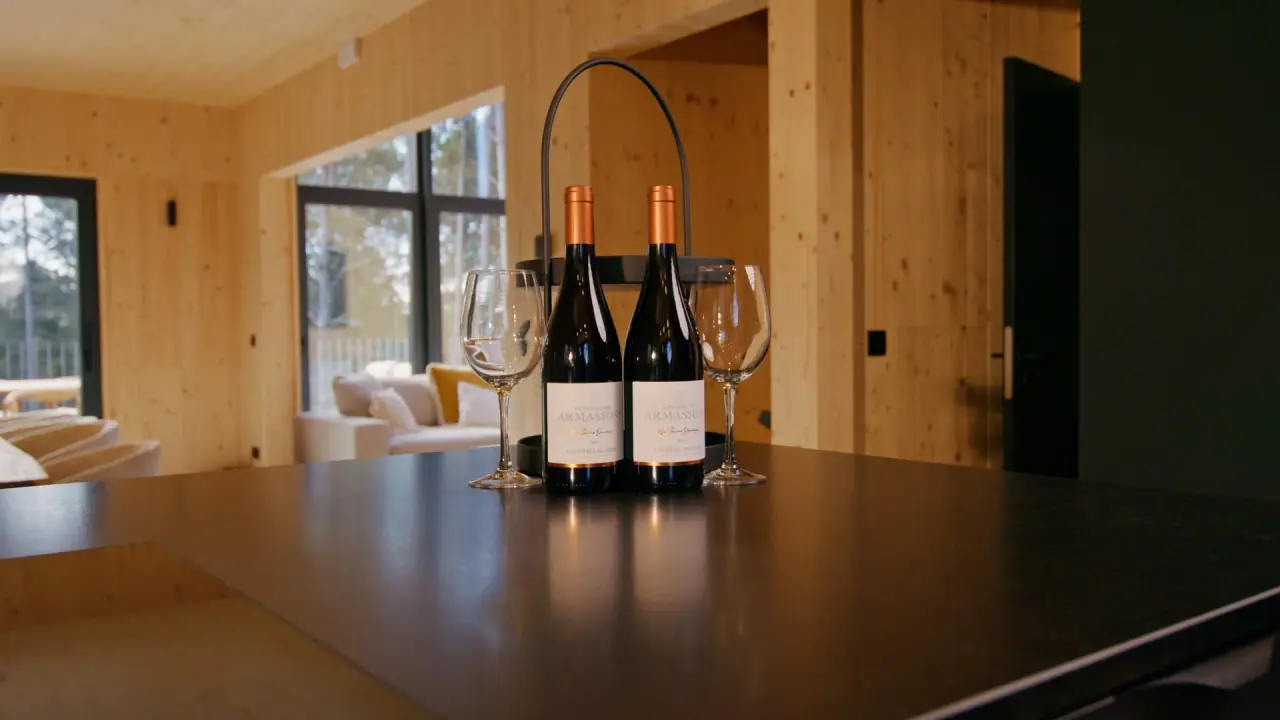
A menu a guest can read on a phone, a booking button that works at midnight, and opening hours that say the same thing everywhere.
A guest chooses in about a minute, on a phone
A restaurant website exists to answer three questions fast: what is on the menu, is there a table tonight, and how do I get there. A guest standing on a street corner or planning dinner on the sofa checks two or three places and books the first one that answers all three. A beautiful home page with a menu as a PDF loses that race.
To be straight with you: we have not built a site for a restaurant yet. What follows is what every restaurant site needs, drawn from the rules on food information, from how guests search, and from what a booking costs through each channel, with what you can do this week.
The minute before a guest books
- SearchThey type restaurant, a cuisine or a dish, plus the area. Google shows its map before any website.
- Map and profileRating, photos, price level and opening hours decide which three places they open.
- MenuThey tap through to see the dishes and prices. A PDF that needs zooming sends them back.
- BookA button that books or calls in one tap. Anything slower and the next place on the list wins.
One menu, as a file and as a page
The menu as a PDF
What Google and your guest read
- On a phone: zoom and scroll sideways
- Google shows it as a loose file, not as your restaurant
- Changing a price means making and uploading a new file
The menu as a page
- Wild mushroom risotto19.50milkcelery
- Grilled sea bass, salsa verde26.00fishmustard
- Lemon tart with crème fraîche9.50gluteneggmilk
What Google and your guest read
- Readable on a phone without zooming
- Every dish and price as text, with allergens
- Changing a price takes a minute
Four ways to put a menu online
| Format | What the guest sees on a phone | What Google sees |
|---|---|---|
| A PDF | zoom and scroll sideways, slow on mobile data | a loose file, rarely tied to your restaurant |
| A photo of the printed menu | text too small to read, no allergens | an image, no dishes or prices |
| A link to a delivery or booking platform | their layout, their brand, sometimes other restaurants | the platform's page, not yours |
| A page on your own site | dishes and prices that read like any text | every dish and price, so you can be found on what you serve |
The last one costs nothing extra once your site exists, and a price change takes a minute instead of a new file. Keep it in one place: when the kitchen changes a dish, the site, the QR menu at the table and the takeaway page change together.
The 14 allergens, before a guest books
EU food information rules require you to tell guests which of 14 listed allergens are in a dish, also for food that is not prepacked. The UK works with the same list. Most restaurants do this on the menu or on request at the table; online, a guest with coeliac disease or a nut allergy wants to know before booking, and a menu that shows it wins their trust.
| Allergen | Often found in |
|---|---|
| Cereals containing gluten | bread, breadcrumbs, sauces thickened with flour, beer |
| Crustaceans | prawn cocktail, bisque, paella |
| Eggs | mayonnaise, fresh pasta, desserts |
| Fish | Caesar dressing, fish sauce, stock |
| Peanuts | satay, many Asian dishes, some desserts |
| Soybeans | soy sauce, marinades, vegetarian burgers |
| Milk | butter, cream, cheese, mash |
| Tree nuts | pesto, praline, frangipane |
| Celery | soups, stock, braises |
| Mustard | dressings, marinades, glazes |
| Sesame | hummus, seeded buns, tahini |
| Sulphur dioxide and sulphites | wine, dried fruit, some vinegars |
| Lupin | some gluten-free flours and breads |
| Molluscs | mussels, squid, oysters |
An icon or a short line per dish is enough, with one sentence that your team gives more detail. Mark when the menu changes with the season, so the allergen list is never older than the dish.
What a booking costs you, per channel
| Channel | Your cost | What you get for it |
|---|---|---|
| Google Business Profile | nothing | the map, your hours, photos and reviews |
| Search ads | a price per click | the top spot on restaurant plus your area |
| A booking platform | usually a fee per guest booked through its network | guests who did not know you yet |
| Your own site and socials | the build, then hosting | guests who book with you, with no fee per cover |
Search ads for restaurants are cheap per click but not per guest: across US campaigns in 2026, restaurants paid on average 2.05 dollars a click and 30.57 dollars a lead. A page that converts is what brings that second number down; how the auction works is in how Google Ads works for local businesses and the prices in how much Google Ads costs. A booking module with your own tables and hours is a booking system for your website.
Hours, reviews and the map
For most guests, your Google Business Profile is the first page of your restaurant they see. Your site works with it: the same name, address and hours, and a link to your menu and your bookings. Setting it up is covered in create a Google Business Profile; when it does not show, read why is my Google Business Profile not showing. Ask for reviews when the guest is happy, with a card on the bill and a QR code from the Google review link generator; how and when is in get more Google reviews, and why you never buy them in can I buy Google reviews.
Pages that bring bigger bills
Three pages earn more than their size suggests. A page for groups and private dining, with set menus and a price per person, turns emails that take a week into a request with a date and a headcount. A takeaway or delivery page that says what travels well and until when you take orders keeps those guests off the platforms. And a short jobs page, because every restaurant is hiring, saves you a recruitment ad. Social media feeds all three; what works for a business is in how to use social media for business, what Instagram rewards now in the Instagram algorithm in 2026, and doing it for you is social media management.
Tourists and a menu in their language
In a city that draws visitors, a large share of your guests searches in English, French or German, often an hour before dinner. A menu in their language with prices and allergens, a line on whether you take walk-ins, and a map that opens in their phone's navigation make you the easy choice. Each language gets its own page, not a machine translation that mangles your dishes; see multilingual website development. Plan the busy moments of your year with the content calendar template.
Five checks for this week
- Search yourself on a phoneAre the hours right, is there a photo from this month, does the booking link work?
- Book a table at midnightGo through your own booking flow as a guest would, outside opening hours.
- Replace the PDFPut the menu on a page as text, with the allergens per dish.
- Count last month's platform guestsHow many came through a platform, and how many of them were regulars?
- Put a review card on the billOne short link or QR code, handed over when the guest is happy.
Website design
How VBS approaches a restaurant site
We put your menu on the site as text, dish by dish with price and allergens, so a change takes a minute. On top goes the button your guests actually use: call, your own bookings or your platform. Hours, address and closures match your Google profile, and the site loads fast on a phone, in your guests' languages. A booking module with your own tables can be added. How we build is on website design, and being found on the map is local SEO. Book a call and tell us how guests book now. What AI can take off your team between services is on AI in the hospitality industry.
More tables through your own site?
Tell us how guests book now. We say what your site must do to have more of them book direct.
Rather get in touch right away?